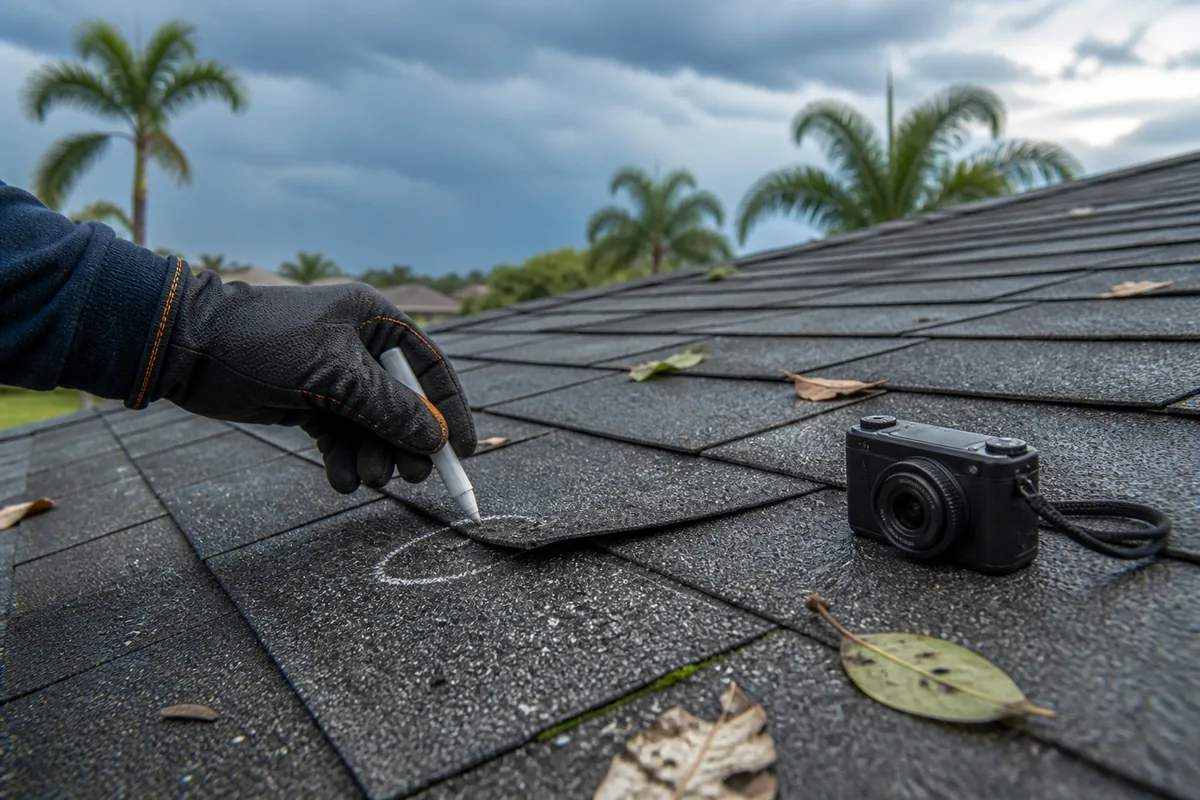
Condition photos
Images should show the roof area and enough surrounding context to understand what was observed.
Post-storm concerns deserve a safe inspection, visible-condition photos, and a practical repair or replacement discussion.
If water is entering, keep people away from sagging ceilings and electrical hazards. Move belongings only when safe. For immediate danger to people, call 911. Exterior inspection and work begin only when travel and roof conditions are safe.
Not every storm concern becomes an insurance claim, and visible damage does not guarantee coverage. Storm Force documents roofing conditions; your insurer makes coverage decisions.
The purpose of an inspection is to understand the roof—not to manufacture urgency or promise an insurance outcome.
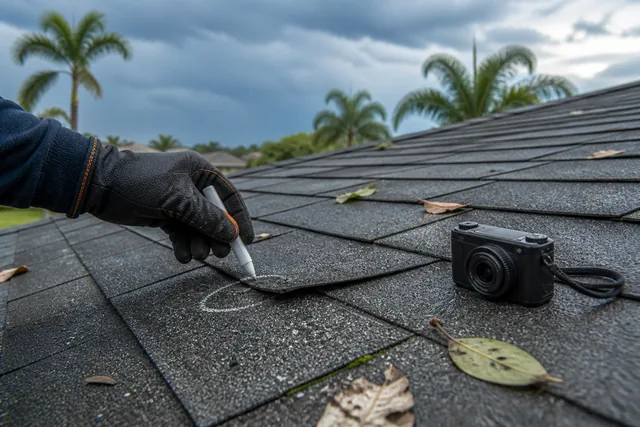
Images should show the roof area and enough surrounding context to understand what was observed.
Describe location, visible condition, and recommended next step without overstating causation.
Discuss repair, replacement, temporary protection, or monitoring based on the inspected condition.
Keep people away from wet electrical areas, falling debris, and sagging ceilings.
Photograph safe, visible conditions and note when the issue appeared.
Arrange roof access only after weather, travel, and working conditions are safe.
Compare documented repair or replacement information before authorizing work.
You may share Storm Force’s roof photos, condition notes, and scope information with your insurer. That documentation can help describe the property condition, but it does not determine the cause, amount, or coverage of a claim.
Do not let anyone rush you into signing work you do not understand. Confirm the contractor identity and license, read the proposed scope, and ask who controls insurance decisions. A contractor can explain roofing work; your insurer interprets your policy and decides coverage.
For a broader view of the local service process, see Davenport roofing services. If inspection identifies widespread wear or repeated failures, review the roof replacement process before choosing a scope.
Tell us when the weather occurred, what you can see safely, and whether water is actively entering.