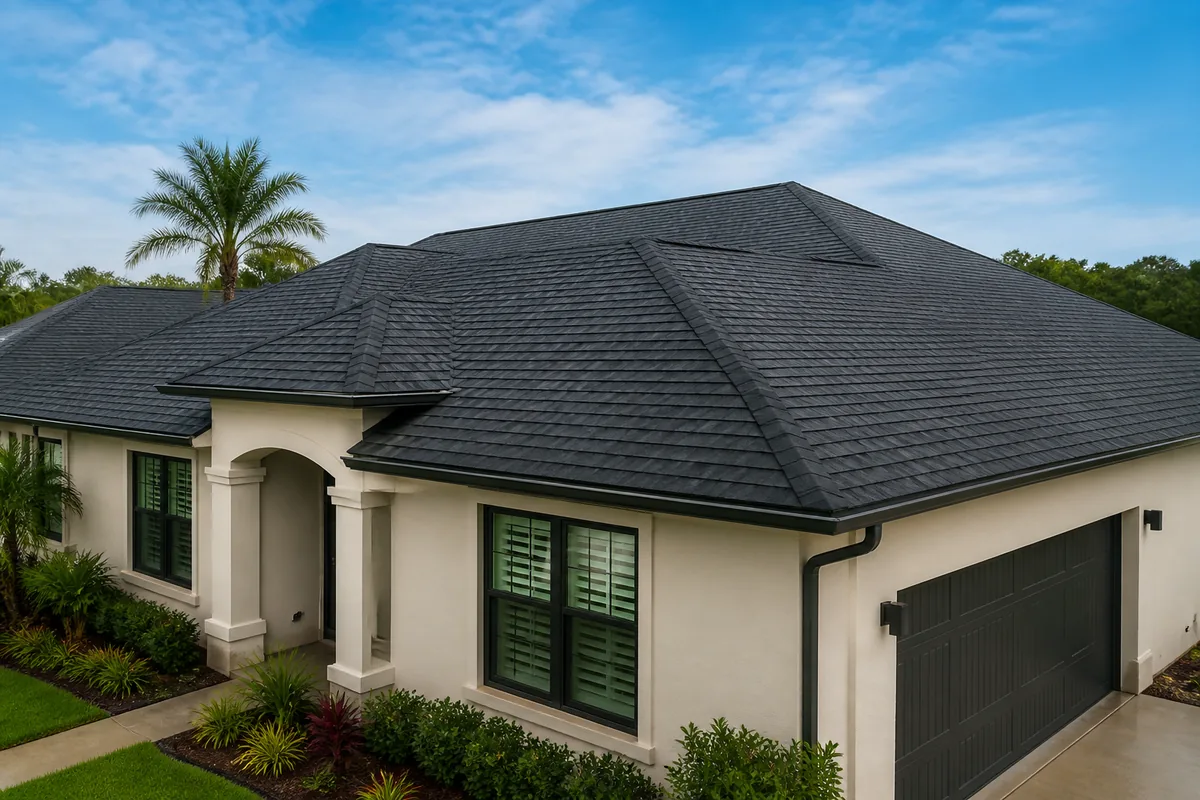
Condition
Inspect the roof and identify why replacement is under consideration.
Understand the existing condition, the proposed system, and the installation scope before the first material arrives.
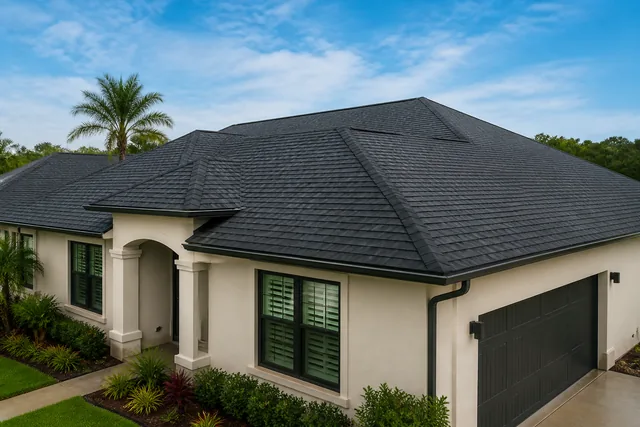
Replacement may deserve consideration when wear is widespread, leaks repeat in different areas, roof components are reaching the end of useful service, or repair work would leave too much uncertainty.
Age alone does not decide the scope. Condition, repairability, compatibility, and homeowner goals all matter.
Roof replacement is easier to manage when the scope follows the real sequence of work.
Inspect the roof and identify why replacement is under consideration.
Define removal, underlayment, flashing, ventilation, roof covering, and related details.
Confirm material selections, property access, scheduling, and permitting needs.
Complete the agreed roof system in the planned sequence and weather window.
Every property and product selection is different. A useful replacement discussion should still account for the layers and transitions that manage heat, airflow, and water.
What the roof covering depends on, including any conditions discovered after removal.
Details at walls, valleys, penetrations, drip edges, and other water paths.
Roof ventilation, ridge details, cleanup, and the completed-roof walkthrough.
Replacement scheduling has to account for forecast conditions, material delivery, property access, and safe working conditions. If the weather changes, safety and open-roof protection take priority over an artificial timetable.
Before work begins, the conversation should identify the roof areas included, the known layers and transitions involved, material selections, property-access needs, and the questions that can only be answered after removal. Clear scope language makes it easier to compare options without assuming that every roof has the same conditions.
The specific permit, inspection, product, and installation requirements depend on the property and agreed scope. Those items should be identified during project planning rather than guessed before an inspection.
A final review should cover the completed roof, visible property cleanup, and any documents tied to the agreed project. Ask questions before the crew leaves—not after a detail becomes difficult to reconstruct.
Replacement may be considered when wear is widespread, leaks recur in different areas, roof components are no longer serviceable, or a repair would leave too much uncertainty. The decision follows documented condition, repairability, compatibility, and homeowner goals.
Some conditions, including decking or water-management details beneath the roof covering, can only be confirmed after removal. A useful scope identifies known work and explains how newly discovered conditions will be discussed before related work proceeds.
Permit and inspection requirements depend on the property, jurisdiction, and agreed scope. We identify applicable project requirements during planning rather than guessing before an inspection.
If you are still deciding between repair and replacement, begin with the roof’s observed condition.
Roof inspection details →See how inspections, repairs, replacements, and storm documentation connect for Davenport-area homes.
Davenport roofing services →Review the safe, evidence-first steps after weather before choosing a roofing scope.
Storm damage details →Tell us about the roof’s age, repeat issues, or the reason replacement is on your mind.